

Cambridge School of Bucharest: Preparing young people for a changing world by developing future skills
The World Economic Forum’s Future of Jobs Report 2025 sends a clear message: the most valuable skills of the future are not confined to technical expertise.
Employers are increasingly seeking individuals who can think creatively, adapt quickly, lead confidently, and collaborate effectively in an unpredictable world.
In fact, creative thinking ranks among the fastest-growing skills globally, alongside resilience, flexibility, leadership, curiosity, and lifelong learning. These are not skills that can be mastered through memorisation. They are developed through experience, challenge, responsibility, and opportunity.
This raises an important question: if these are the skills the future demands, are schools doing enough to develop them?
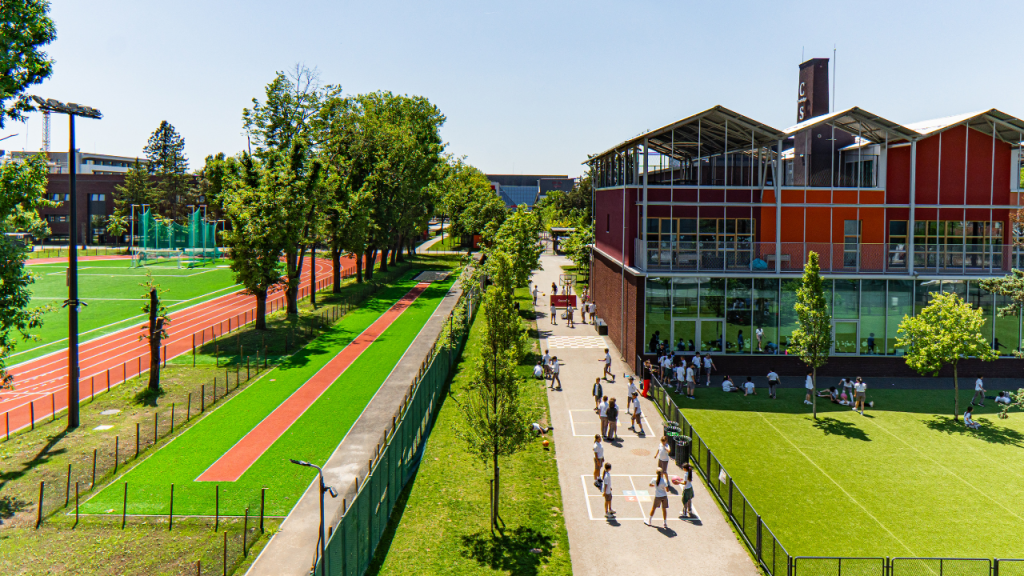
At Cambridge School of Bucharest, the answer begins with a different approach to learning. Following the National Curriculum of England, and offering both the International Baccalaureate Diploma Programme and A Levels in Secondary school, students are encouraged to move beyond simply finding the right answer. They are challenged to ask better questions, think independently, defend their ideas, and take ownership of their learning.
Creativity is not confined to the arts classroom. It is embedded across subjects through problem-solving, collaboration, debate, innovation, and enquiry. Students learn to navigate uncertainty, develop solutions, and communicate their thinking with confidence, skills that remain relevant regardless of how industries evolve.
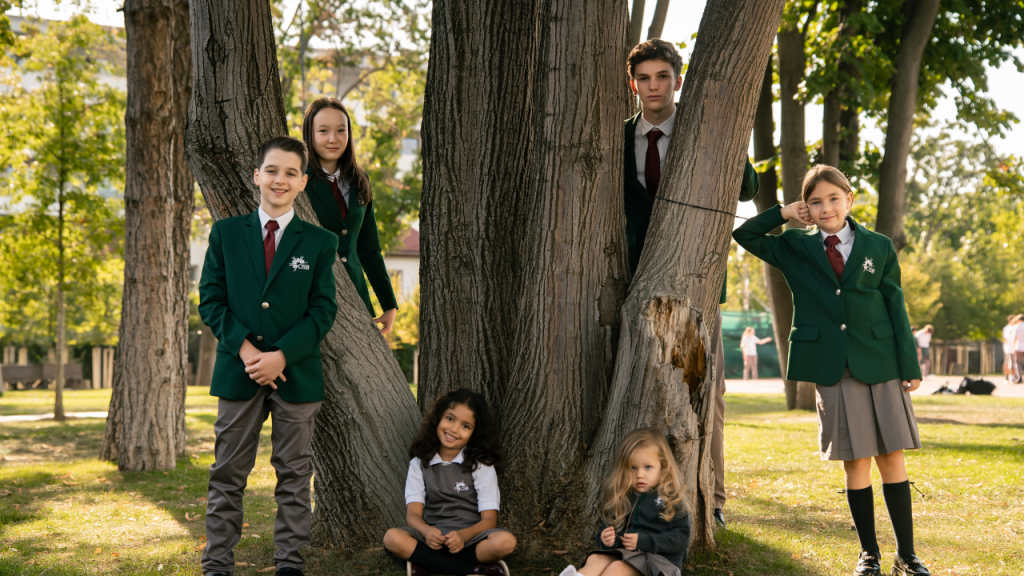
Leadership is equally important. Students are given opportunities to lead initiatives, represent their peers, and contribute to decision-making within the school community. Through volunteering, charity projects, and service learning, they develop empathy, social responsibility, and a broader understanding of the world around them.
The school’s investment in STEM reflects a similar philosophy. With fifteen new specialist laboratories for Science, Design and Technology, and Computer Science, students will have access to environments designed for experimentation, discovery, and innovation. The goal is not simply to produce future scientists or engineers, but curious minds capable of tackling complex challenges.
Sport provides another powerful training ground for future success. On the pitch, court, or track, students learn resilience, teamwork, discipline, and leadership. They experience setbacks, adapt, persevere, and discover the intrinsic motivation that drives long-term achievement.
The future belongs to those who can learn, unlearn, and learn again. Academic knowledge will always matter, but it is increasingly human qualities, creativity, adaptability, leadership, and purpose that will distinguish tomorrow’s leaders.
The challenge for educators is no longer simply preparing students for exams. It is preparing them for a future that has yet to be written.