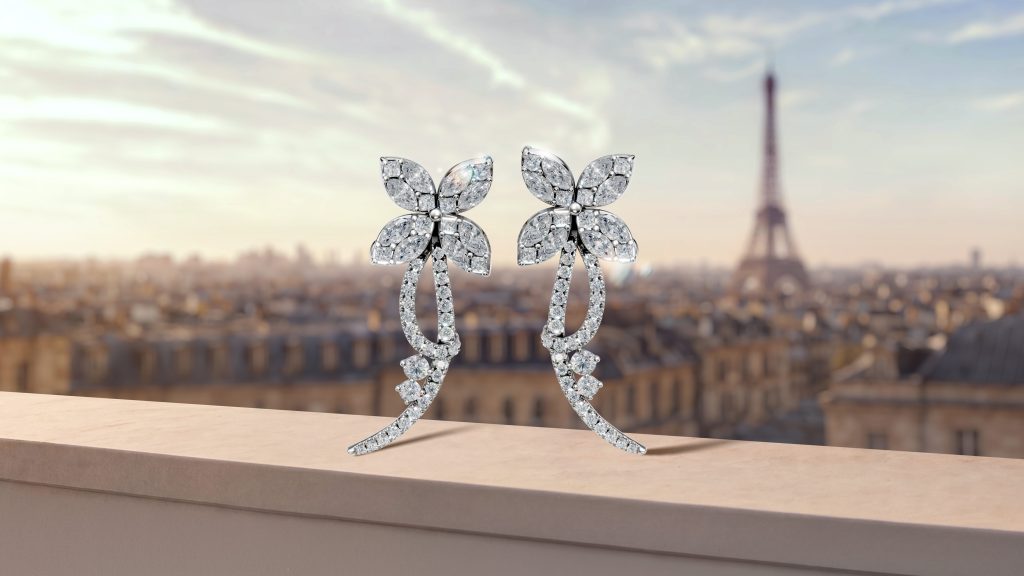
TEILOR is the leading fine jewellery brand on the Romanian market with 27+ years of turning precious moments into stories. It started as a dream which was translated into a plan that built further a strong brand – the result of the vision and motivation to find possibilities in each circumstance.
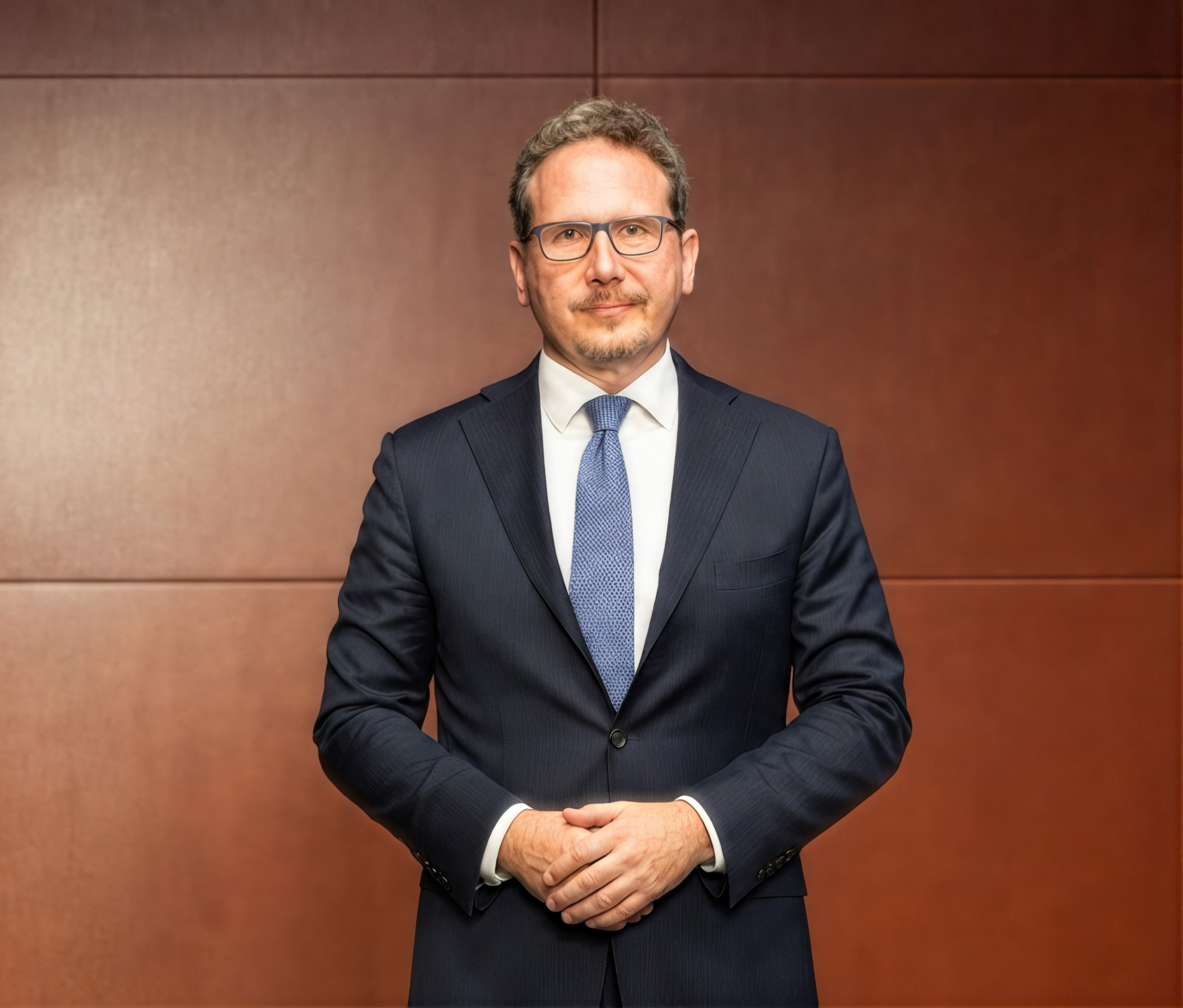
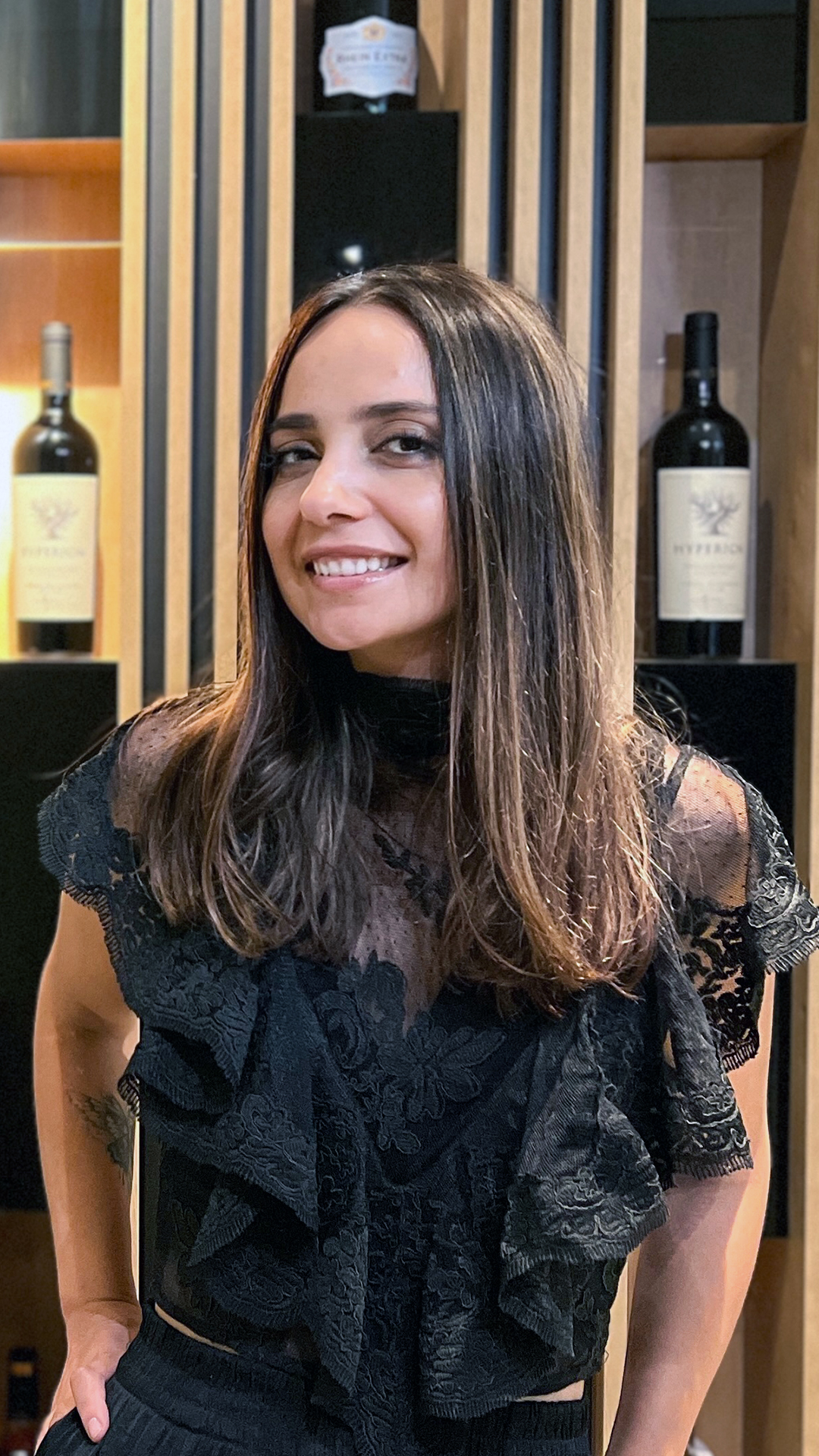
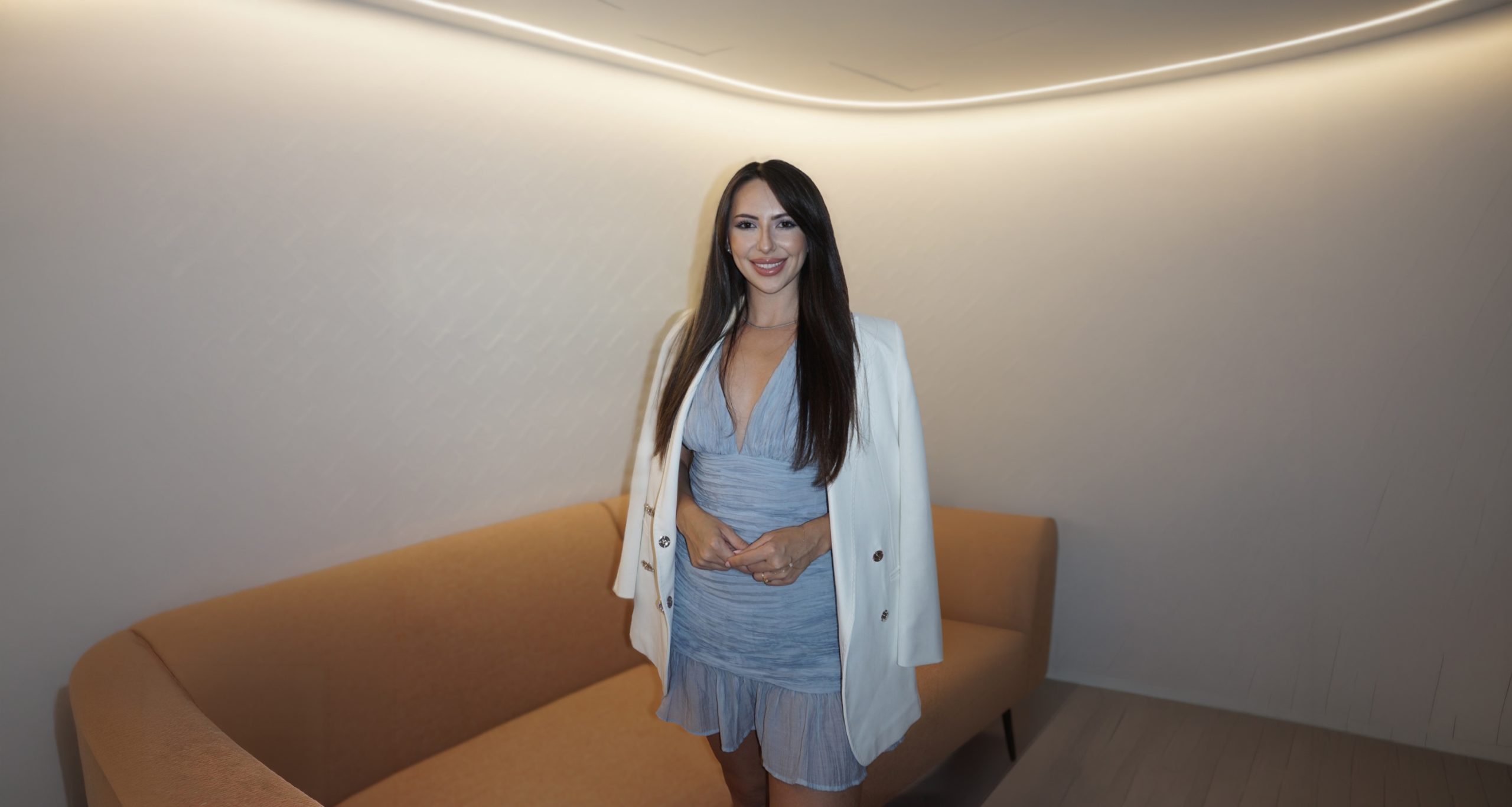
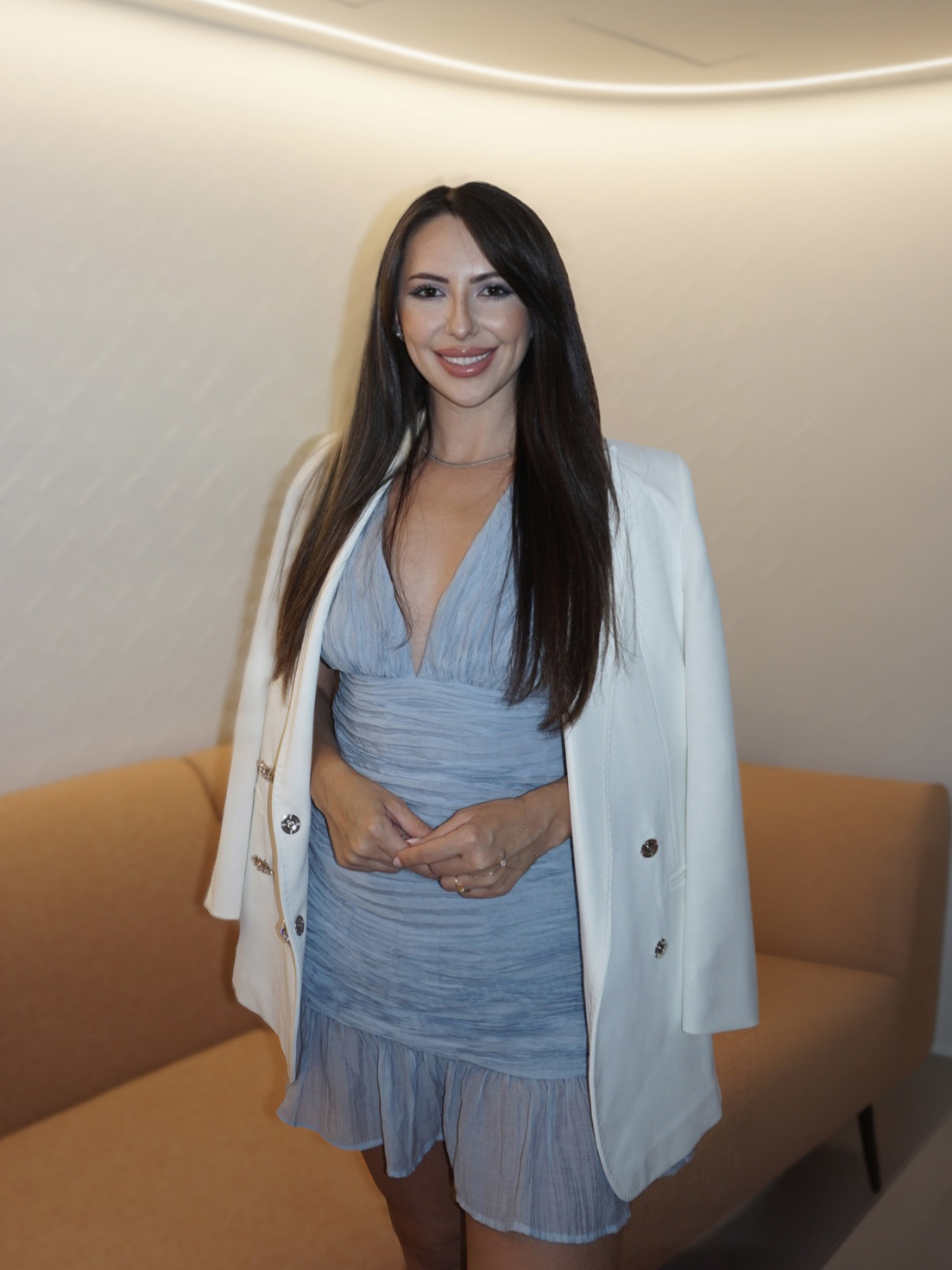
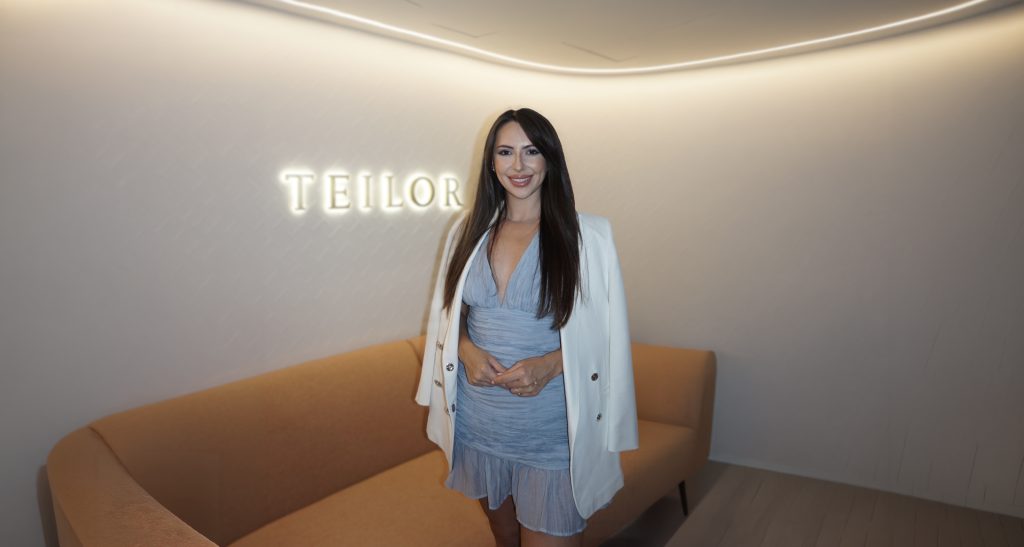
We welcomed Iulia Novac, Marketing Director at TEILOR for an interview on luxury, how AI impacts leadership and the brand’s latest projects.
What is the #1 change that TEILOR applied following BRAND MINDS?
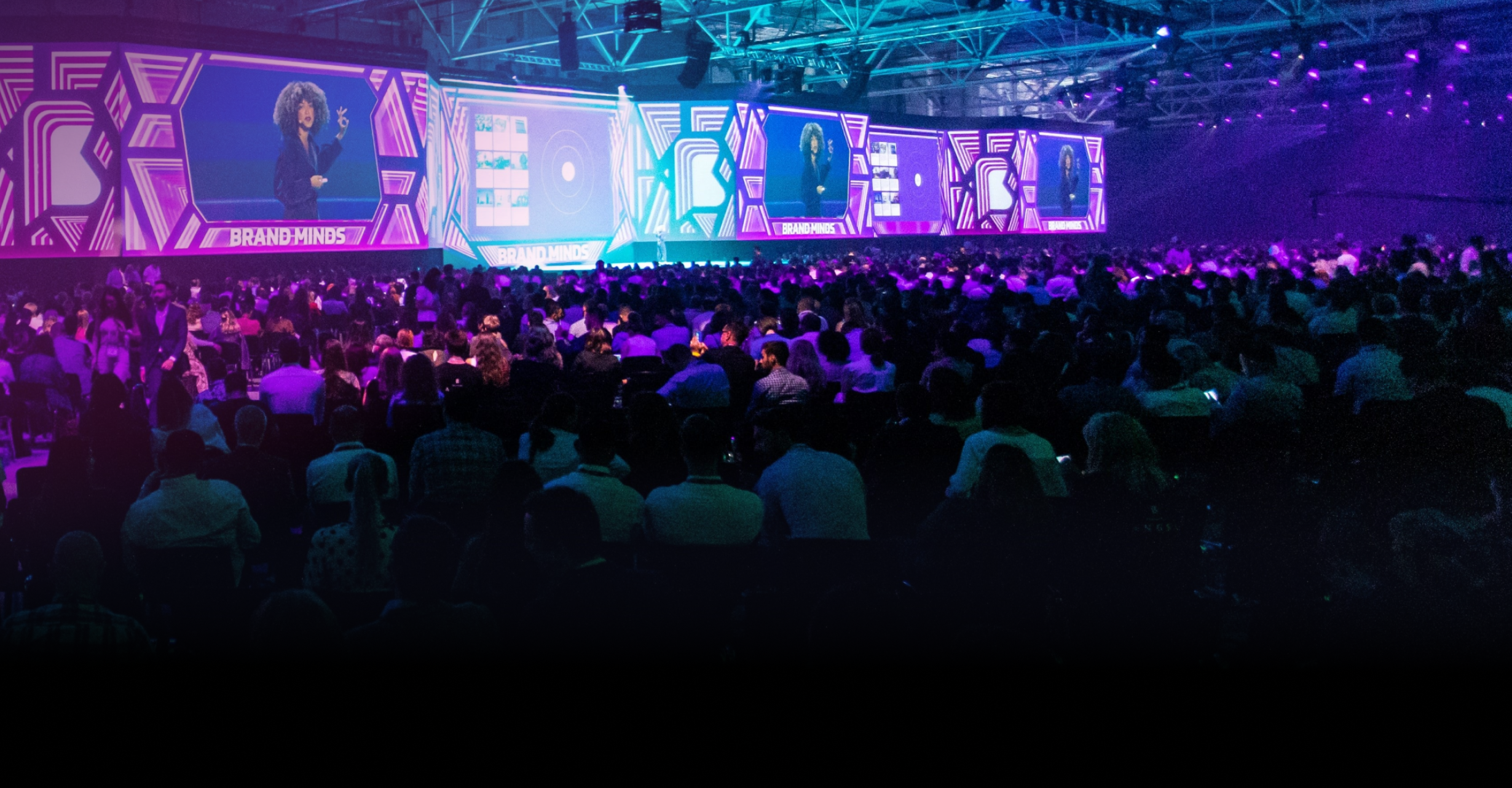
For us, being a BRAND MINDS partner goes far beyond being present at one of the most relevant business events in Central and Eastern Europe. It gives us access to new ideas and perspectives and, especially from a marketing point of view, a better understanding of where brands, consumers and communication are heading.
We work in an industry that is constantly evolving, so listening to some of the best minds in business, marketing and creativity is also a way of challenging and validating our own direction. Sometimes you leave with a completely new idea. Just as importantly, sometimes you leave knowing that you are already moving in the right direction – and that you need to push it further.
If I had to choose one thing BRAND MINDS reconfirmed for us, it would be that you should never become too comfortable with what already works. Especially in luxury, you need to evolve, reinvent yourself and understand every new generation without losing the essence of the brand.
For TEILOR, this means going beyond jewellery – creating memorable campaigns, meaningful events, distinctive retail experiences and new ways for people to connect emotionally with us.
I believe a strong brand should constantly ask itself:
What can we do better?
What can we do differently?
What can we create next?
That constant curiosity is probably one of the most valuable things we take with us from BRAND MINDS every year.
How is AI changing what leaderhip means inside TEILOR?
AI is changing the speed at which we work, access information and explore possibilities. And I think that also raises the standard for leadership.
When information becomes available to everyone and execution becomes faster, leadership becomes less about knowing everything and more about knowing what matters.
AI can give you ten possibilities in seconds, but someone still needs to understand which one is right for the brand, the business and that particular moment. A leader still has to choose a direction, recognise the potential of an idea and give people the confidence to move forward.
I actually believe AI makes the human side of leadership even more important. It can challenge assumptions, reveal patterns and open new perspectives, but leadership begins after all that information is on the table.
Technology can accelerate us, but people still give meaning and direction to that acceleration. And that requires experience, empathy, intuition and responsibility: qualities that will remain deeply human.
What decisions can leaders at TEILOR confidently support with AI and which decisions must remain grounded in human judgement?
AI can be extremely valuable when we are dealing with large amounts of information – analyzing performance, identifying patterns, comparing scenarios or simply helping us work faster and smarter. In marketing especially, it can offer perspectives we may not have considered immediately and help us make better-informed decisions.
But creativity and brand building still require something much harder to quantify: feeling. There is a moment when you see the right campaign, the right image or the final version of a film and you simply know. You get goosebumps. You understand the idea, you feel the music, the image and the story, and suddenly everything comes together. No amount of data can fully explain that moment.
AI can tell us what performed well before, it can identify patterns and make recommendations, but deciding what TEILOR should feel like next, whether an idea deserves to become a campaign or whether something truly represents the brand still requires intuition, creative judgement and a deep understanding of people.
Decisions involving people, creativity, brand identity or the emotional relationship we build with our clients cannot be delegated to an algorithm. Choosing what TEILOR should stand for, how a collection should make someone feel, or understanding the potential of a colleague requires context and sensitivity that go beyond data.
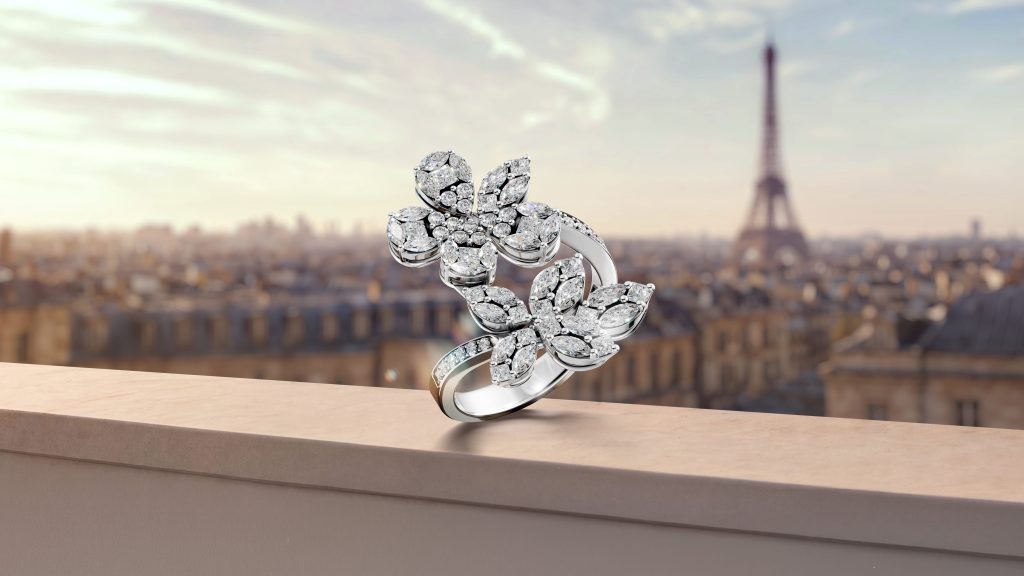
Which human skills are becoming more important within teams at TEILOR as AI takes over repetitive or analytical tasks?
AI is already helping us simplify processes, accelerate certain executions and save time on repetitive tasks. And that is incredibly valuable because, in marketing, speed matters.
Trends change, platforms change, consumers change and sometimes decisions need to be made almost instantly. But being faster cannot mean becoming careless with the brand. I think one of the most important skills will be the ability to move quickly while still protecting the identity, quality and value of what you are building. Technology can make execution easier, but taste, judgement and responsibility become even more important.
You need people who understand when something is good enough and when it deserves another round, people who challenge the first idea, who remain curious and who care enough to keep improving something even when, technically, it is already finished.
For me, especially in marketing and creativity, you have to be a little obsessed with what you do. You have to love the project enough to keep asking: Could this be better?
AI can save us time, but what we choose to do with that time will make the difference.
As AI-generated jewellery images and synthetic content become more realistic, how can TEILOR protect authenticity and consumer trust?
Technology will increasingly become part of the creative process, and I think there are many exciting possibilities there. But when you are trying to communicate emotion, the human touch still makes the difference.
Luxury is not only about creating a perfect image, it is about making someone feel something.
The expression of a person, the way jewellery moves on the skin, the personality behind a campaign, the people who create it – these details generate emotion precisely because they come from something real.
For TEILOR, technology can support creativity, but it should never create ambiguity around the jewellery itself. The beauty, craftsmanship, materials and characteristics of our pieces must always be communicated responsibly and truthfully.
And there is something else technology cannot replicate: the physical experience: you can enter a TEILOR store, see a piece of jewellery, touch it, try it on, speak to someone who understands it and discover its story. That human interaction creates trust.
In a world where almost any image can be generated, authenticity, transparency and human emotion become even more precious.
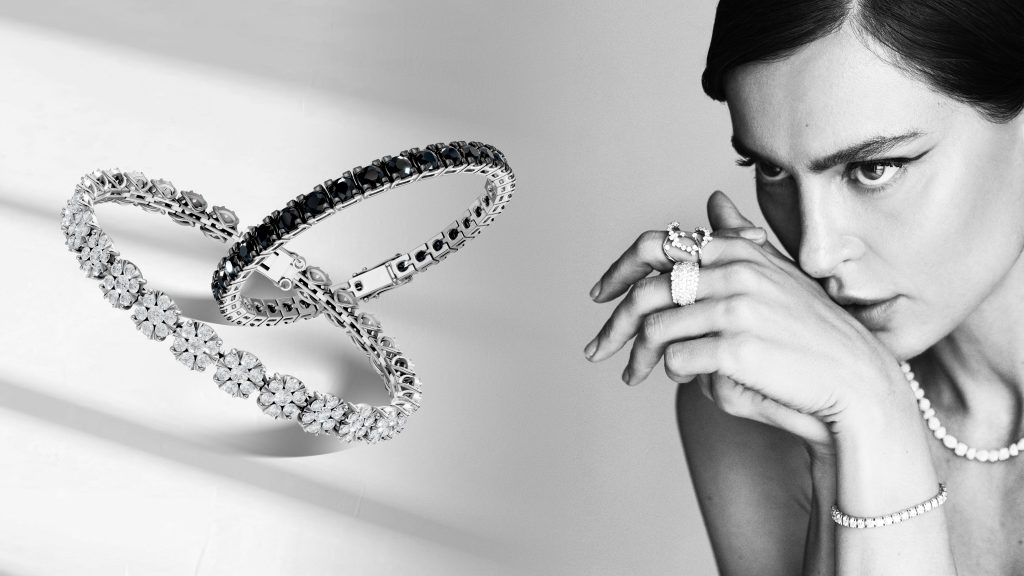
Which part of TEILOR’s identity will never change no matter how much the business evolves?
The human side of the business.
TEILOR has grown enormously from its beginnings on Teilor Street in Pitești. We entered new markets, opened new stores, created new brands, developed new collections and continuously evolved the way we communicate, but TEILOR is still a family business, and I think you can feel that in the way the company is built.
There is a very direct connection between the owners, the people inside the company and the brand itself. Decisions are not made from a distance, there is involvement, emotion, intuition and a genuine attachment to what we create.
And that matters because jewellery itself is deeply personal: people choose it for some of the most emotional moments of their lives – love, family, achievements, beginnings, memories.
So even as the company becomes larger and more international, keeping that closeness to people is essential. We can reinvent the way TEILOR looks, communicates and connects with every new generation, but what should never change is the reason behind everything we do: people and the moments that matter to them.
What does a human-driven future look like for TEILOR?
For me, a human-driven future is one where technology allows creativity to go further, not one where technology replaces it.
At TEILOR, we have always believed in building strong creative capabilities inside the company. Marketing, content, design and many parts of the creative process are developed closely with our internal teams because we want the people who live the brand every day to help shape what comes next.
Technology can make those teams faster, but ideas still need people.
You need someone who sees a possibility where nobody else does, someone who challenges the obvious solution and has the courage to say: This is good, but we can make it better.
That mindset is particularly important in luxury because luxury cannot afford to stand still, you have to reinvent yourself, understand how every new generation is changing and find new ways to remain relevant without losing your identity. For us, that means experimenting, creating, challenging ourselves and staying close to our clients.
And you have to genuinely love what you do because the best projects usually happen when people care deeply about them: when there is energy, debate, excitement and that slightly irrational desire to make something exceptional.